
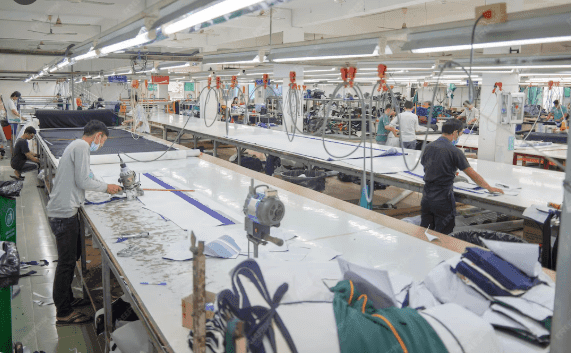
The textile industry in Lahore is one of the largest energy consumers in Pakistan. Rising electricity tariffs, grid instability, and operational costs have pushed many manufacturers to explore solar systems for textile factories. Industrial solar solutions help textile mills reduce electricity bills, ensure energy stability, and move toward sustainable production.
This guide explains how a solar system for textile industry in Lahore works, its cost, system size requirements, benefits, and how textile factories can transition to solar energy efficiently.
Why Textile Factories in Lahore Need Solar Energy
The textile sector operates heavy machinery such as spinning, weaving, dyeing, and finishing units that require constant electricity. Due to increasing power tariffs in Pakistan, electricity costs can significantly impact manufacturing profitability. Installing a solar system for textile mills in Lahore allows factories to generate their own electricity and reduce dependency on the national grid.
Major Reasons Textile Factories Are Adopting Solar Power
- 1High electricity tariffs — Industrial electricity tariffs in Pakistan have increased substantially, and solar energy provides a stable and predictable power cost
- 2Energy reliability — Many textile units experience power fluctuations or outages that disrupt production. A hybrid solar system ensures continuous power supply
- 3Long-term savings — Industrial solar systems typically deliver 5–7 year ROI, while panels last 25+ years
- 4Sustainability goals — Global buyers increasingly prefer manufacturers using renewable energy, making solar power beneficial for export-oriented textile companies
Types of Solar Systems for Textile Industry
1. On-Grid Solar System for Textile Factories
An on-grid solar system is connected to the national electricity grid. It generates electricity during the day, exports excess electricity via net metering, reduces monthly electricity bills, and has a lower installation cost compared to hybrid systems. This is the most common industrial solar solution for textile mills in Lahore.
2. Hybrid Solar System for Textile Mills
A hybrid solar system combines solar panels, batteries, and grid power. It provides backup during power outages, stores energy for night use, and offers higher reliability for continuous textile production. This option is ideal for factories facing frequent power interruptions.
3. Off-Grid Solar System for Industrial Units
Off-grid systems operate independently without grid connection. Due to the large energy demand of textile mills, this solution is rarely used unless factories are located in remote industrial areas.
Solar System Size for Textile Factories
| Factory Size | Solar System Capacity |
|---|---|
| Small textile unit | 100 kW – 300 kW |
| Medium textile mill | 300 kW – 800 kW |
| Large textile factory | 1 MW – 5 MW |
A 1 MW solar system can generate approximately 1.4 to 1.6 million kWh annually in Lahore, significantly reducing electricity costs.
Cost of Solar System for Textile Industry in Lahore
| System Size | Estimated Cost |
|---|---|
| 100 kW | PKR 10M – 13M |
| 500 kW | PKR 45M – 55M |
| 1 MW | PKR 85M – 100M |
Although the initial investment may seem high, textile manufacturers recover the cost through electricity savings within a few years.
Net Metering for Textile Factories in Lahore
Net metering allows factories to export surplus solar electricity to the national grid. Excess electricity generated during low production hours can be sold to the grid, reducing electricity bills further and improving ROI. Industrial net metering approvals typically require system sizes up to 1 MW.
Benefits of Solar Energy for Textile Industry
1. Significant Cost Reduction
Electricity is one of the largest operational expenses for textile manufacturers. A properly designed industrial solar system can reduce electricity bills by 40–70%.
2. Energy Independence
By installing a solar system for textile factories, manufacturers reduce reliance on expensive grid electricity and diesel generators.
3. Improved Export Competitiveness
Many international clothing brands now require suppliers to adopt renewable energy. Solar adoption helps textile exporters comply with sustainability requirements.
4. Long Lifespan & Low Maintenance
Solar panels generally last 25 to 30 years, making them a long-term investment. Industrial solar systems require minimal maintenance compared to other energy sources.
Installation Process for Textile Solar Systems
- 1Energy Audit — Solar experts analyze factory electricity consumption and load patterns
- 2System Design — Engineers design the optimal system size and layout
- 3Equipment Selection — Solar panels, industrial inverters, mounting structures, and monitoring systems
- 4Installation — Solar panels installed on factory rooftops, car parking structures, or ground-mounted spaces
- 5Net Metering Approval — Application submitted for grid connection approval
Conclusion
Installing a solar system for textile industry in Lahore is a strategic investment that helps manufacturers reduce electricity expenses, improve operational stability, and meet sustainability goals. With long-term cost savings, government net metering policies, and growing solar technology adoption, industrial solar systems are becoming essential for modern textile factories.
Get Your Free Solar Survey Today
Our team will visit your site, assess your energy needs, and provide a custom NEPRA-compliant proposal — absolutely free.
Book Free Survey