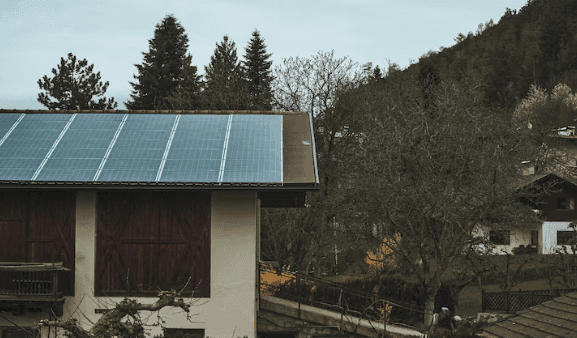
Installing a solar energy system at home is one of the smartest investments a homeowner can make. It provides long-term savings, reliable power, and energy independence. However, like any valuable system, solar installations need proper maintenance to keep performing efficiently for years.
Why Maintenance Matters for Solar Systems
Solar panels are designed to last over two decades, but dust, debris, and weather conditions can affect their efficiency over time. Regular maintenance helps keep them clean and ensures they operate at their best. Without regular upkeep, dirt accumulation and wiring issues may reduce energy production and lead to unnecessary repair costs.
Routine Cleaning for Maximum Efficiency
One of the most important aspects of solar maintenance is cleaning the panels. In cities like Karachi and Lahore, dust and pollution can quickly build up on the surface of solar panels, blocking sunlight and reducing output. Cleaning should be done every two to three months depending on weather and air quality. Use soft brushes, clean water, or a gentle hose spray to remove dirt and bird droppings. Avoid harsh chemicals or abrasive materials that can damage the glass.
Checking the Inverter and Power Output
The inverter is the heart of your solar system. It converts the energy collected by solar panels into usable electricity for your home. Regularly checking the inverter's display or monitoring app helps ensure it's working correctly. If you notice unusual readings or reduced energy production, it may indicate an issue with the inverter or panel connections. Most inverters show a green light when functioning properly, and any warning lights should be addressed immediately by a qualified technician.
Inspecting Cables and Wiring Connections
Loose or damaged cables can cause efficiency losses or even system faults. Once or twice a year, inspect visible wiring for wear, corrosion, or rodent damage. For larger setups, hire professional technicians for detailed electrical inspections. Proper cable management ensures safety and stable performance, especially in areas exposed to direct sunlight and rain.
Monitoring System Performance
Modern solar systems often include monitoring tools that let you track performance in real time. These systems show how much power your panels are generating and help you spot issues early. Use the monitoring app to review daily and monthly power output — a sudden drop in production could signal dirt buildup, shading, or a technical problem. Regular monitoring helps you take prompt action before small issues turn into costly repairs.
Managing Shading and Surrounding Environment
Over time, new construction or growing trees may cast shadows on your solar panels, reducing their efficiency. Shading can decrease the output by up to 20 percent if not managed properly. Trim nearby trees and ensure that no new structures block direct sunlight. Assess your rooftop layout once a year to ensure panels still receive optimal sunlight throughout the day.
Protecting Against Weather Damage
Solar panels are built to withstand harsh weather conditions, but preventive care goes a long way. Heavy rainfall, strong winds, or hail can occasionally damage panel surfaces or loosen mounting structures. After severe weather, visually inspect your setup to check for any visible damage or loose panels. Contact your installer for a professional inspection if you notice any cracks or unusual sounds during operation.
Regular Professional Inspections
While homeowners can handle basic cleaning and visual checks, a professional inspection once a year is highly recommended. Experts can evaluate your system's wiring, inverter, and overall performance to detect issues that may not be visible to the untrained eye. Professional maintenance ensures long-term safety, efficiency, and durability.
Maintaining Battery Storage Systems
For hybrid solar systems with battery backup, maintaining the batteries is just as important as cleaning the panels. Check the charge levels regularly and ensure proper ventilation around battery units to prevent overheating. Battery health directly affects power availability during outages, so always follow the manufacturer's maintenance recommendations.
Keeping Records and Warranty Compliance
Most solar panel manufacturers offer long warranties that require proof of regular maintenance. Keeping detailed records of cleaning, inspections, and repairs ensures that you remain eligible for warranty claims if issues arise. Maintain a logbook or digital record with service dates, technician reports, and performance data.
The Long-Term Benefits of Regular Maintenance
Consistent care ensures that your solar system continues to produce maximum power for years without major breakdowns. Well-maintained systems enjoy uninterrupted savings, greater reliability, and peace of mind. Neglecting maintenance, on the other hand, can reduce system performance by up to 25 percent and shorten its lifespan.
Conclusion
Maintaining your home solar system is essential for maximizing performance, extending lifespan, and securing long-term financial savings. Regular cleaning, monitoring, and professional inspections are simple steps that make a big difference. Consistent maintenance ensures your system runs efficiently and continues to save money for decades.
Get Your Free Solar Survey Today
Our team will visit your site, assess your energy needs, and provide a custom NEPRA-compliant proposal — absolutely free.
Book Free Survey