
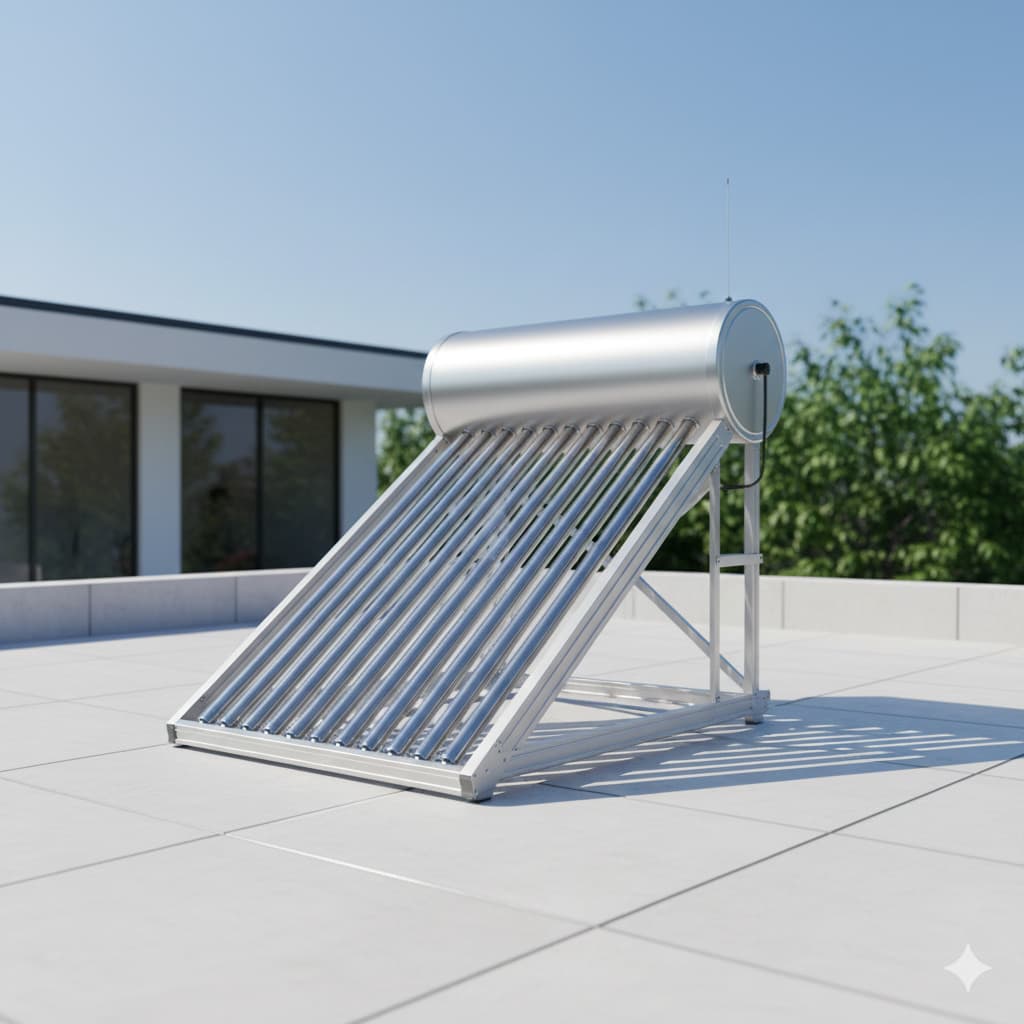
Most Pakistani homes heat water with a gas geyser or an electric geyser. Both have well-known problems: gas pressure drops just when winter demand peaks, and electric geysers add a large load to a bill that is already high. A solar geyser is the third option. Here is how the three compare.
Quick Comparison
| Factor | Solar geyser | Gas geyser | Electric geyser |
|---|---|---|---|
| Energy source | Sun, with electric backup | Natural gas or LPG | Grid electricity |
| Running cost | Lowest | Low to moderate, depends on gas supply | Highest of the three |
| Upfront cost | Highest | Lowest to moderate | Low to moderate |
| Works during gas shortage | Yes | No | Yes |
| Works during load-shedding | Solar heating yes, backup element no | Usually yes | No |
| Safety concerns | Few | Gas leaks, carbon monoxide if poorly ventilated | Few, if properly earthed |
| Best for | Long-term savings, rooftop space available | Homes with reliable gas supply | Flats with no roof access |
Gas Geysers: Cheap to Buy, Hard to Rely On
Gas geysers are inexpensive to buy and cheap to run when gas is available. The trouble is supply. In many parts of Pakistan, gas pressure is low or absent in winter mornings, and gas utilities have repeatedly advised consumers to arrange alternatives during shortfalls. Households that fall back on LPG cylinders face rising cylinder costs and extra storage and safety concerns.
Safety matters too. Any gas appliance needs ventilation. A poorly ventilated gas geyser can produce carbon monoxide, which is why geysers should never be installed in a sealed bathroom.
Electric Geysers: Reliable but Expensive to Run
An electric geyser works anywhere there is power, and the unit itself is not costly. But heating water electrically is one of the biggest loads in a home in winter. With electricity tariffs where they are, running an electric geyser every day shows up clearly on the monthly bill. It also stops working during load-shedding unless you have a backup system.
Solar Geysers: Higher Upfront Cost, Lower Bills
A solar geyser heats water with sunlight collected in rooftop tubes, so it uses little or no gas and far less electricity. It does not depend on gas pressure. The trade-off is the upfront price and the need for roof space with good sun. MaxGreen's 150 liter, 200 liter and 300 liter models include 60 mm insulation, a stainless steel tank, a WiFi controller and an electric backup element, so you still have hot water on cloudy days.
Which Should You Choose?
- Choose solar if you own your home, have roof space and plan to stay for several years
- Choose gas if you have a dependable gas connection and a ventilated installation spot
- Choose electric if you live in a flat without roof access and need a low-cost solution
If you are weighing the options, you can see MaxGreen's prices and sizes on our solar geyser page.
Get Your Free Solar Survey Today
Our team will visit your site, assess your energy needs, and provide a custom NEPRA-compliant proposal — absolutely free.
Book Free Survey