Commercial solar in Karachi means a grid-connected solar system, usually on the roof, sized to cover a business's daytime electricity use. It suits any building that runs most of its load between morning and evening, such as offices, factories, warehouses and pharmacies. Hospitals, hotels and 24-hour sites can add batteries for the hours when the sun is not out.
How Commercial Solar Works in Karachi
Panels on the roof or on a carport turn sunlight into DC power. An inverter converts it to AC and feeds it into your building's electrical panel, so your equipment uses solar power first and takes only the shortfall from K-Electric. Because most businesses are busiest in daylight, a large share of what the system produces is used on site, and that is where the saving comes from.
Karachi gets strong sun for most of the year, and every unit you generate yourself is a unit you do not buy from the grid. The coastal climate does ask more of the equipment, which is why we cover it in a separate guide on humidity, salt air and dust.
Solar panels in Karachi: humidity, salt air and dust →
Commercial Solar by Building Type
Every building uses power differently, so the right design depends on when you use electricity, how much roof you have and how critical an outage is. We have written a guide for each type of business below.
Offices, Banks, Software Houses and Call Centers
Office buildings run air conditioning and computers through the working day, which lines up well with solar output. Banks, software houses and call centers also need dependable power for servers and equipment, so these sites often combine solar with a backup arrangement.
Solar for offices in Karachi →
Solar for software houses in Karachi →
Solar for call centers in Karachi →
Factories and Warehouses
Factories and warehouses usually have large, flat roofs and steady daytime loads, which makes them some of the best candidates for solar. The system is bigger, so the design work, structural check and approval process matter more.
Solar for factories in industrial Karachi →
Solar for warehouses in Karachi →
Hospitals and Pharmacies
Healthcare buildings cannot afford interruptions, so the design usually looks at backup and protection as well as savings. Pharmacies often have refrigeration running all day, which also suits solar.
Solar for hospitals in Karachi →
Solar for pharmacies in Karachi →
Hotels, Banquets, Malls and Cinemas
Hospitality and entertainment venues have large cooling and lighting loads and often long opening hours. Evening-heavy venues such as banquet halls and cinemas should ask early how much of their use falls outside daylight.
Solar for guest houses and hotels in Karachi →
Solar for banquets and marquees in Karachi →
Solar for shopping malls in Karachi →
Solar for cinemas in Karachi →
Schools, Mosques and Gyms
Schools and mosques have fixed daytime schedules and usually good roof space. Gyms combine cooling, lighting and equipment loads across long hours.
Solar for schools in Karachi →
Solar for mosques in Karachi →
What to Check Before You Install
- 1Your electricity bills. Twelve months of bills show when and how much power you use, which decides the system size.
- 2Your roof. Available area, shading from neighbouring buildings or water tanks, and whether the structure can carry the weight.
- 3Your sanctioned load. Under K-Electric net metering, solar capacity cannot exceed your sanctioned load.
- 4When you use power. A building that is busy by day gets more out of solar than one that is mostly active at night.
- 5Backup needs. Decide whether you need the system to keep running through load-shedding, because that means batteries and a different design.
Net Metering for Commercial Systems
Net metering lets a K-Electric customer export surplus power to the grid and receive credit for it. Systems from 1 kW up to 1 MW are eligible, and systems above 25 kW need special review and approval from NEPRA, so larger commercial projects should plan extra time. The rules changed in 2026: exports are now credited at a lower rate than the retail price, so a commercial system works best when it is sized to cover your own daytime use rather than built mainly to export.
Net metering in Karachi: K-Electric process and 2026 rules →
Commercial Projects We Have Completed in Karachi
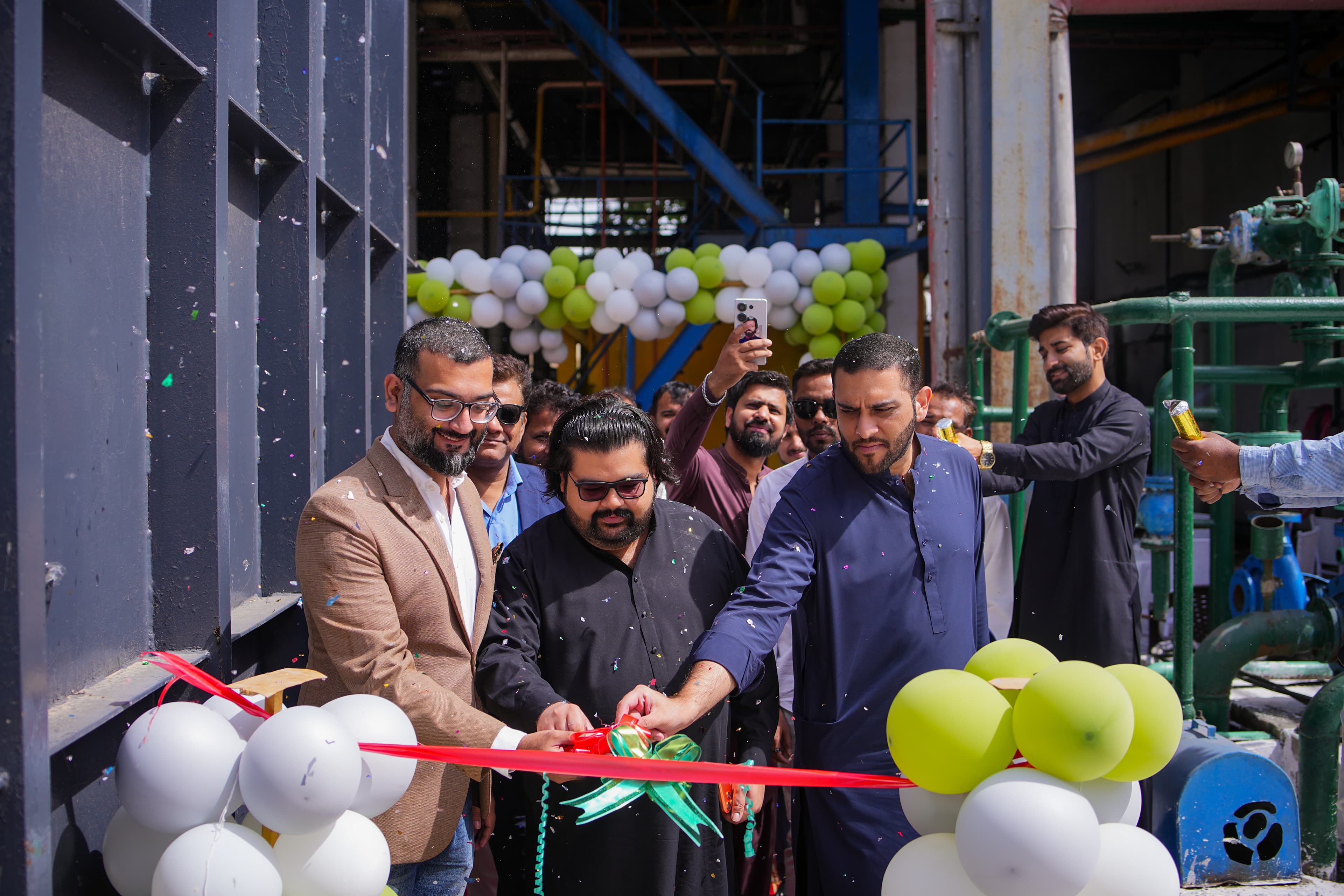
These are installations MaxGreen Energy has delivered in Karachi. Details are on our projects page.
- MM Oils: 1 MW (1,000 kW)
- Sheikh Tube Mill: 700 kW on-grid
- Qaim Automotive: 260 kW on-grid
- Hotel County Inn: 70 kW on-grid
- Subway, Rashid Minhas Road: 25 kW on-grid
- Karachi Broast, Rashid Minhas Road: 20 kW on-grid
- Karachi Public School: 15 kW
Choosing a Commercial Solar Company in Karachi
For a commercial system, ask what you would ask any contractor: whether they will survey your site before quoting, which panel and inverter models they use, who honours the warranties, and who handles the K-Electric application. We list ten questions worth asking in our guide to choosing a solar company in Karachi.
How to choose a solar company in Karachi →
Top 10 solar companies in Karachi →
Talk to MaxGreen About Your Building
MaxGreen Energy has completed 2,100+ projects over 9+ years, and our Karachi office is in DHA Phase 6. We offer a free site assessment and design a system around your bills and your roof.
Get Your Free Solar Survey Today
Our team will visit your site, assess your energy needs, and provide a custom NEPRA-compliant proposal — absolutely free.
Book Free Survey